How to Write a Resume in the Age of AI
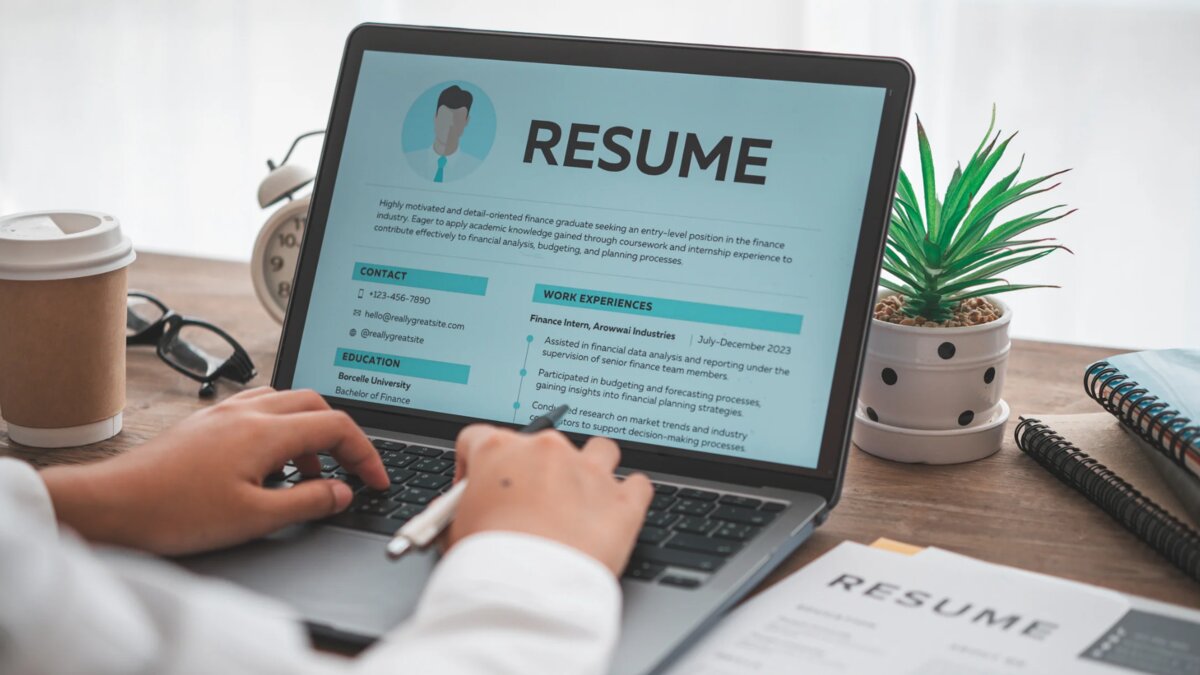
The way people get hired has changed more in the last few years than in the previous twenty. Writing a resume today is no longer about sounding impressive—it's about being searchable, readable by software, and relevant in seconds.
The way people get hired has changed more in the last few years than in the previous twenty. Job seekers are competing in a market shaped by automation, artificial intelligence, mass layoffs, and record levels of online applications. Writing a resume today is no longer about sounding impressive. It is about being searchable, readable by software, and relevant in seconds.
If you are unemployed, actively job hunting, or simply not getting interviews, your resume is likely the first and biggest obstacle. Understanding how AI and applicant tracking systems evaluate resumes is now a basic requirement for anyone serious about finding a job.
This guide explains how to write a resume in the age of AI and why traditional resume advice often fails in today's hiring environment.
Why Job Hunting Feels Harder Than Ever
Unemployment cycles come and go, but the modern job market has introduced new challenges that did not exist before.
Most job seekers now face:
When people say "the job market is broken," what they often mean is that their resume is not designed for how hiring actually works today.
A strong resume no longer guarantees interviews. An optimized resume does.
How AI Changed Resume Screening
Artificial intelligence did not replace recruiters, but it replaced the first layer of decision making.
Most companies use Applicant Tracking Systems to:
This means your resume is not read top to bottom at first. It is scanned, categorized, and ranked.
If your resume cannot be correctly interpreted by an ATS, it may never reach a recruiter regardless of your qualifications.
Why Traditional Resume Advice Is Outdated
Many resume tips still circulating online are no longer effective.
Advice like:
These ideas ignore how AI resume optimization actually works.
ATS systems favor clarity, structure, and relevance. Creativity can hurt readability. Unique wording can reduce keyword matching. Complex formatting can break parsing.
In the age of AI, resumes need to be written for machines first and humans second.
Keywords Are the Foundation of Modern Resumes
One of the most common reasons resumes fail is poor keyword alignment.
ATS systems do not infer skills. They look for exact or closely related terms.
For example:
Using the right keywords for resumes is not exaggeration. It is translation.
You are translating your experience into the language hiring systems understand.
How to Write an ATS Optimized Resume
An ATS optimized resume follows a predictable structure that machines can easily read.
Use Standard Section Headings
Stick to simple, common headings such as:
Avoid creative titles like "What I Bring to the Table" or "My Journey."
Choose a Hybrid Resume Format
A hybrid resume format combines:
This format performs well for entry level candidates, career transitions, and experienced professionals.
Write Bullet Points That Match Job Language
Your experience should reflect how jobs are described, not how you personally describe your work.
Instead of vague statements, use role aligned language.
Bad example:
Better example:
This improves ATS matching and recruiter clarity.
AI Resume Optimization Done the Right Way
Many job seekers now turn to AI tools to fix their resumes, but results vary widely.
Generic AI prompts often produce resumes that:
Effective AI resume optimization focuses on:
AI should enhance your resume, not rewrite your career.
Writing a Resume During Unemployment
Unemployment can create anxiety and uncertainty, but it does not disqualify you.
Modern resumes should:
If you are unemployed and job hunting, your resume should answer one question clearly.
Can this person do the job I am hiring for right now?
Gaps matter less than relevance.
Career Transitions and Transferable Skills
Many people struggle with writing a career transition resume because their previous titles do not match their target role.
ATS systems care less about titles and more about skills and responsibilities.
Transferable skills resumes work best when:
If your resume clearly shows capability, AI systems will rank it accordingly.
Entry Level and Student Resumes in the AI Era
Entry level candidates often believe they lack experience. In reality, they lack keyword structure.
Student resume services often fail because they focus on formatting rather than optimization.
Entry level resumes should:
AI systems do not require decades of experience. They require relevance.
Why Resumes Are Not Getting Interviews
When resumes are not getting interviews, the issue is usually one of three things:
It is rarely because the candidate is unqualified.
A resume correction service or targeted optimization can often unlock results without a full rewrite.
Fixing Your Resume Without Starting Over
You do not need to rebuild your resume from scratch to succeed in the age of AI.
Most resumes only need:
A small investment in resume editing or AI optimization can dramatically improve response rates.
The Future of Resume Writing
AI will continue to evolve, but the fundamentals are unlikely to change.
Resumes will remain:
Understanding how hiring technology works is no longer optional. It is part of modern job literacy.
Final Thoughts
Writing a resume in the age of AI is not about beating the system. It is about working with it.
When your resume is optimized for ATS systems and written with clarity, you apply with confidence, speed, and consistency.
Job hunting is already stressful. Your resume should not make it harder.
---
For job seekers who want a faster and more affordable way to improve their resume, FiveDollarResumes.com offers a simple AI powered resume optimization service for just five dollars. Instead of rewriting your resume from scratch, the service focuses on ATS resume optimization, keyword alignment, and clarity so your existing experience is presented in a way hiring systems can actually read and rank. It is designed for people who are unemployed, actively job hunting, or applying at scale and need a resume that works across multiple roles without spending hundreds of dollars on traditional resume writing services.
Frequently Asked Questions
How has AI changed resume writing?
AI and Applicant Tracking Systems now filter resumes before humans see them. Your resume must be optimized for software parsing, keyword matching, and relevance scoring to get interviews.
Why isn't my resume getting interviews?
Most resumes fail due to missing keywords, poor ATS formatting, or unclear role alignment. It's rarely because you're unqualified—it's usually a technical optimization issue.
What is the best resume format for ATS?
A hybrid resume format works best, combining a keyword-rich skills section with clear chronological experience and measurable accomplishments.
How do I write a resume during unemployment?
Focus on skills over gaps, highlight projects or certifications, and emphasize outcomes. Your resume should answer: Can this person do the job I'm hiring for right now?